
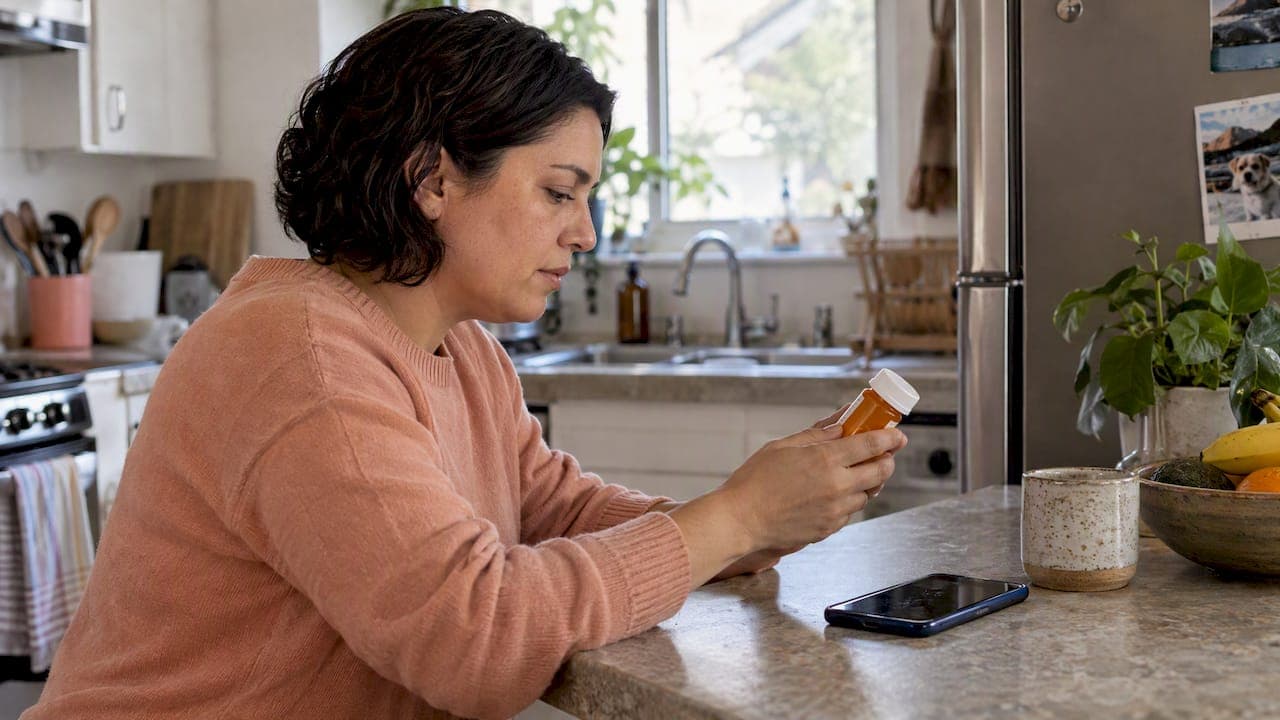
Yes, you can renew many maintenance prescriptions by telehealth in California, as long as the clinician follows state and federal e-prescribing and monitoring rules. Controlled substances follow stricter rules. Federal flexibilities are time-limited, and California prescribers must review the CURES database for Schedule II–IV prescriptions. Coverage through Medi‑Cal or your health plan usually applies.
TL;DR:
- Stable blood pressure, diabetes, thyroid, and birth control prescriptions are the simplest to renew; new symptoms, side effects, or dose changes require medication management.
- Medi-Cal pays the same rate as office care for medically necessary telehealth, but providers must enroll and document your consent before billing.
- Commercial plans may require a network pharmacy or mail order; delivery can take a week or more, so check coverage before supplies run low.
- For controlled medications, clinics may refuse remote refills; ask whether the prescriber handles them, checks CURES when required, and can arrange an office visit.
- California requires electronic prescriptions, so give the clinic your pharmacy’s exact name and address, then confirm receipt with the pharmacy after your visit.
Table of Contents
- How do you get a telehealth medication refill in California?
- Which medications can telehealth refill, and which are restricted?
- How do insurance and Medi‑Cal handle telehealth refills?
- What California and federal rules shape telehealth refills?
- How should you prepare for your refill visit?
- Why trust this guidance?
- What matters most when you need a refill fast?
- Where can you manage medication refills with Kin Wellness?
- FAQ
- Sources
How do you get a telehealth medication refill in California?
A refill goes fastest when you handle the logistics before the visit. Here is the order that works.
- Pick the right visit type. A simple refill request fits a stable medication you have taken for a while. New symptoms, side effects or a dose change call for a full medication-management appointment.
- Confirm your clinician's credentials. Make sure the prescriber is licensed in California, offers video visits and can send e-prescriptions straight to a pharmacy.
- Choose your pharmacy. California requires prescriptions to travel electronically to the pharmacy, so give the clinic the exact name and address. California's e-prescribing rules are explained in the Board of Pharmacy's FAQ.
- Gather your information. Have your prescription numbers or last fill date, insurance card and a current medication list in hand.
- Attend the visit. Expect questions about how the medication is working, side effects and anything that has changed since your last visit.
- Confirm the handoff. After the visit, check that the pharmacy received the e-prescription, then ask how long it will take to fill.
Pro Tip: Use one pharmacy for every refill. A single pharmacy keeps your full medication record in one place, which helps pharmacists catch harmful interactions.
Which medications can telehealth refill, and which are restricted?
Stable maintenance medications are the easiest to renew remotely. A clinician who already knows your history can often renew them in a short visit, sometimes without a long wait.
- Blood pressure medications you have taken without problems
- Diabetes medications for people whose condition is well managed
- Thyroid medications at a steady dose
- Birth control for ongoing use
Controlled substances follow stricter rules. Federal DEA telemedicine flexibilities let some authorized providers prescribe certain controlled substances by telehealth without a prior in-person exam when specific conditions are met, and those flexibilities run through December 31, 2026. California adds its own layer: prescribers must review the CURES database for Schedule II–IV prescriptions.
That is why many virtual clinics decline controlled-substance refills altogether. They would rather avoid the compliance risk than approve a request they cannot fully document. If your medication is controlled, expect one of these routes:
- A live video visit with a prescriber who is set up for controlled-substance prescribing
- An in-person visit with your existing prescriber
- A transfer of your care to a prescriber who handles these medications
A telehealth refill service is built for stable, ongoing medications. If you need a new drug, or your symptoms have changed, you will usually be steered to a full virtual visit, and that is the safer path anyway.
How do insurance and Medi‑Cal handle telehealth refills?
Coverage is usually better than people expect. Medi‑Cal covers synchronous and asynchronous telehealth services across many benefit areas, and it pays the same rate as an in-person visit when the service is medically necessary. Providers must enroll with Medi‑Cal to bill for telehealth and must get your consent to deliver care that way.
Medi‑Cal pays telehealth at the same rate as in-person care when the service is medically necessary. That parity means a virtual refill visit should not cost you more than an office visit. (DHCS)
Commercial plans work differently. Many steer long-term prescriptions toward in-network pharmacies or mail order to cut costs. Mail order can be cheaper, but it may take a week or more to arrive, so it is a poor fit if you are close to running out. Ask your plan whether it will pay if you use a different pharmacy.
A quick coverage check before you book:
- Call the number on your insurance card and ask whether telehealth visits are covered for medication management.
- Ask which pharmacies are in network and whether mail order is required for maintenance drugs.
- Ask whether your medication needs prior authorization. Our guide to prior authorization in California walks through the steps.
- Tell the clinic your plan details at booking so they bill correctly and route the prescription to a covered pharmacy.
Our walkthrough of telehealth coverage in California shows which questions to ask and which plans to call. If your medication is psychiatric, our checklist to verify psychiatry coverage covers the extra steps.
What California and federal rules shape telehealth refills?
Most refill delays trace back to a few legal and technical requirements. Knowing them helps you see why a clinic may say no or ask for more time.
- E-prescribing is required. Under AB2789 and Board of Pharmacy guidance, prescriptions must be submitted electronically to a pharmacy. Controlled-substance prescriptions must also meet the federal electronic transmission requirements the Board cites.
- CURES checks are mandatory for many controlled drugs. CURES is California's monitoring database, and prescribers must review it for Schedule II–IV prescriptions.
- Federal flexibilities have an end date. DEA telemedicine flexibilities let some providers prescribe certain controlled substances without an in-person exam under set conditions, and they currently run through December 31, 2026. Clinics plan around that date, which makes some of them cautious.
- Consent and enrollment matter for Medi‑Cal. Providers must document your consent to telehealth and be enrolled to bill, so a clinic that skips either step may not be able to treat you under your coverage.
For a clinician-side view of the compliance details, our California telehealth checklist covers patient consent language and common audit pitfalls. Because these rules can change, treat any date you read here as a reason to confirm with your prescriber.
How should you prepare for your refill visit?
A little preparation can help make the visit and prescription handoff go smoothly. Work through this list before and after.
- Collect your identifiers. Write down your medication names, doses, prescription numbers and the date of your last fill.
- Confirm pharmacy details. Give the clinic your pharmacy's name, address and phone number, and ask whether it accepts e-prescriptions for your drug.
- Prepare your questions. Think about side effects, other medications or supplements you take, and whether your dose still feels right. Ask whether a longer supply or mail order is an option.
- Test your connection. A video visit needs a quiet room, a working camera and a stable internet connection.
- Verify the prescription after the visit. Call the pharmacy to confirm the prescription arrived and ask when it will be ready.
- Know your fallback. If the pharmacy says it has no prescription, contact the clinic right away so they can resend it.
Pro Tip: Keep a running list of your medications on your phone. Clinicians rely on pharmacy records to confirm your history, and your own list helps them spot gaps fast.
Also be careful about juggling several online clinics or mail-order services at once. Splitting your refills across providers scatters your records, which is exactly what makes interactions harder to catch.
Why trust this guidance?
We are a California practice that delivers virtual outpatient mental health care for working professionals, parents, executives and healthcare workers. Our clinicians provide medication management alongside individual, group and family therapy, so we handle refill and monitoring questions with patients. This guide reflects how those rules work in practice for Californians.
We also publish plain-language resources for the steps around a refill. Our posts on telehealth coverage, California telehealth requirements and prior authorization cover the questions people ask most. When you book a medication-management visit with us, we help with insurance billing and explain what to bring, so you know what to expect before your appointment.
What matters most when you need a refill fast?
The advice you usually hear is to find the fastest online service. I think that misses the point. Speed comes from preparation and continuity, not from the platform with the shortest form.
Most delays are administrative. A prescription goes to the wrong pharmacy, the plan wants mail order, or a controlled-substance request stalls without a CURES check. None of that gets fixed by picking a faster app. It gets fixed by knowing your pharmacy, your plan's rules and whether your drug is controlled before you book.

What gets overrated is the idea that a refill is a transaction. For stable medications it can be quick, but a clinician who knows your history catches problems a form never will. Platforms that skip the evaluation are the ones MedlinePlus warns about: look for the VIPPS seal on online pharmacies and avoid any site promising a prescription without a provider seeing you.
So start with three things in order: confirm whether your medication is controlled, call your plan about covered pharmacies, and book with a prescriber who can send the e-prescription directly. Do that, and the refill itself is the easy part.
— Dakota
Where can you manage medication refills with Kin Wellness?
If you want an ongoing prescriber rather than a one-off refill, we offer virtual medication management for adults across California. Our licensed clinicians work alongside our therapists, so your medication care and your therapy can stay connected.

What we can do for you:
- Medication management visits by video with licensed prescribers
- Individual, group and family therapy, plus EMDR therapy, in one practice
- Insurance billing support so you know what to expect before you book
- Aftercare planning to keep your progress going
Before you book, check your coverage and gather your pharmacy details and medication list. Then see our services and book a medication-management appointment. If you want to know what your visit will cost, contact us and we will go through your coverage with you.
This article is general information, not a substitute for advice from a qualified doctor. Consult a qualified healthcare professional about your own circumstances before acting on anything here.
FAQ
Can Teladoc refill medications?
Some telehealth services can renew stable, non-controlled maintenance medications, but policies vary by platform and by your medical history. New medications, changes in symptoms or controlled substances usually need a full visit. Ask the service before you book.
Can Walgreens fill telehealth prescriptions?
Yes, pharmacies generally fill valid e-prescriptions regardless of how the visit happened. California requires prescriptions to be transmitted electronically to the pharmacy, so give your clinician the exact pharmacy location and confirm the prescription arrived.
Is it cheaper to go to urgent care or telehealth?
Cost depends on your plan, but Medi‑Cal pays telehealth at the same rate as in-person care when the service is medically necessary. Check your plan's copay for each setting before you choose.
Is it possible to get an emergency prescription refill?
Sometimes. Call your pharmacy and your prescriber first, since a clinician can often send a short supply quickly. Controlled substances are harder to get on short notice, so contact your prescriber as early as you can.